


Grape harvest completed
21.10.2026
Challenging year, good quality
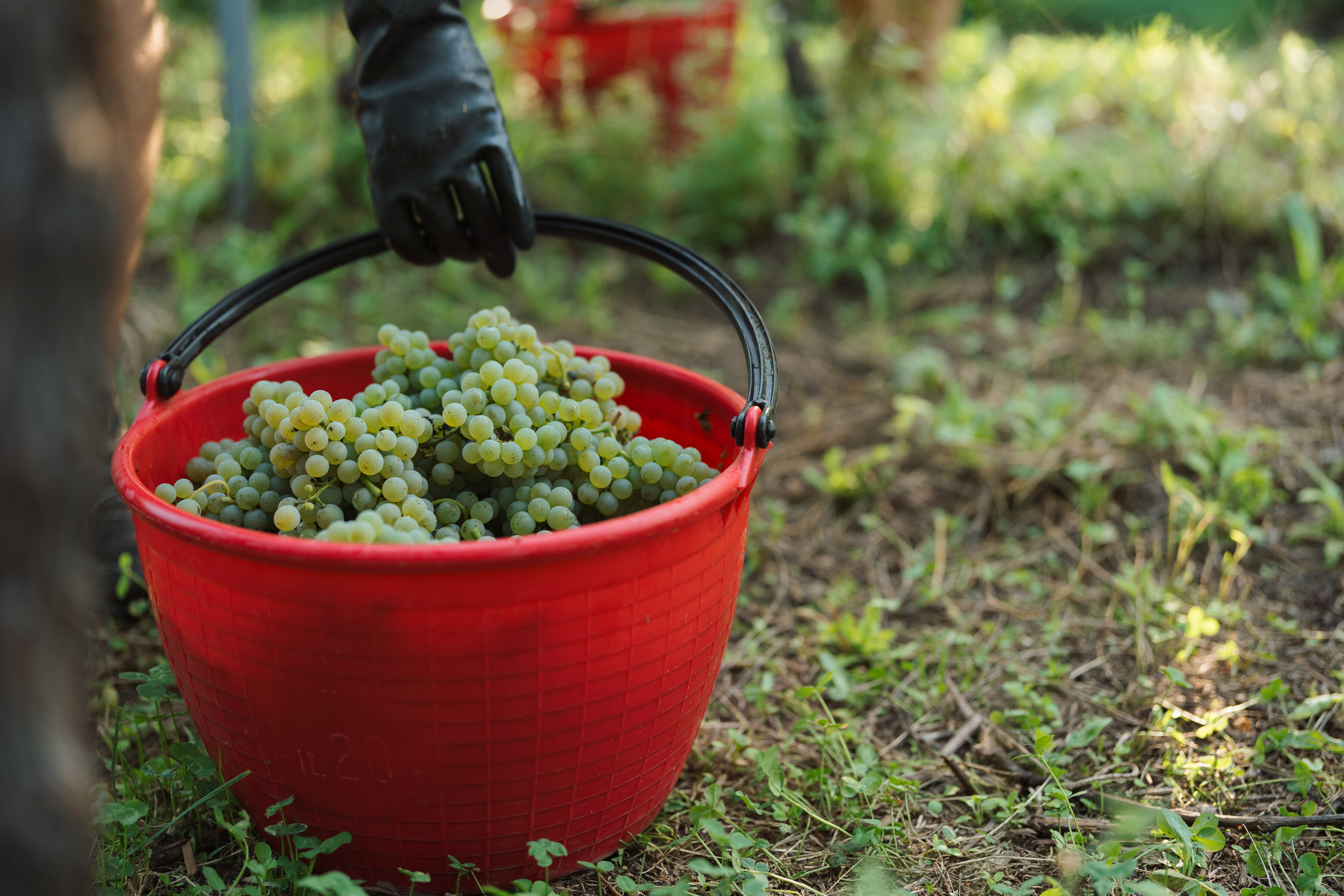
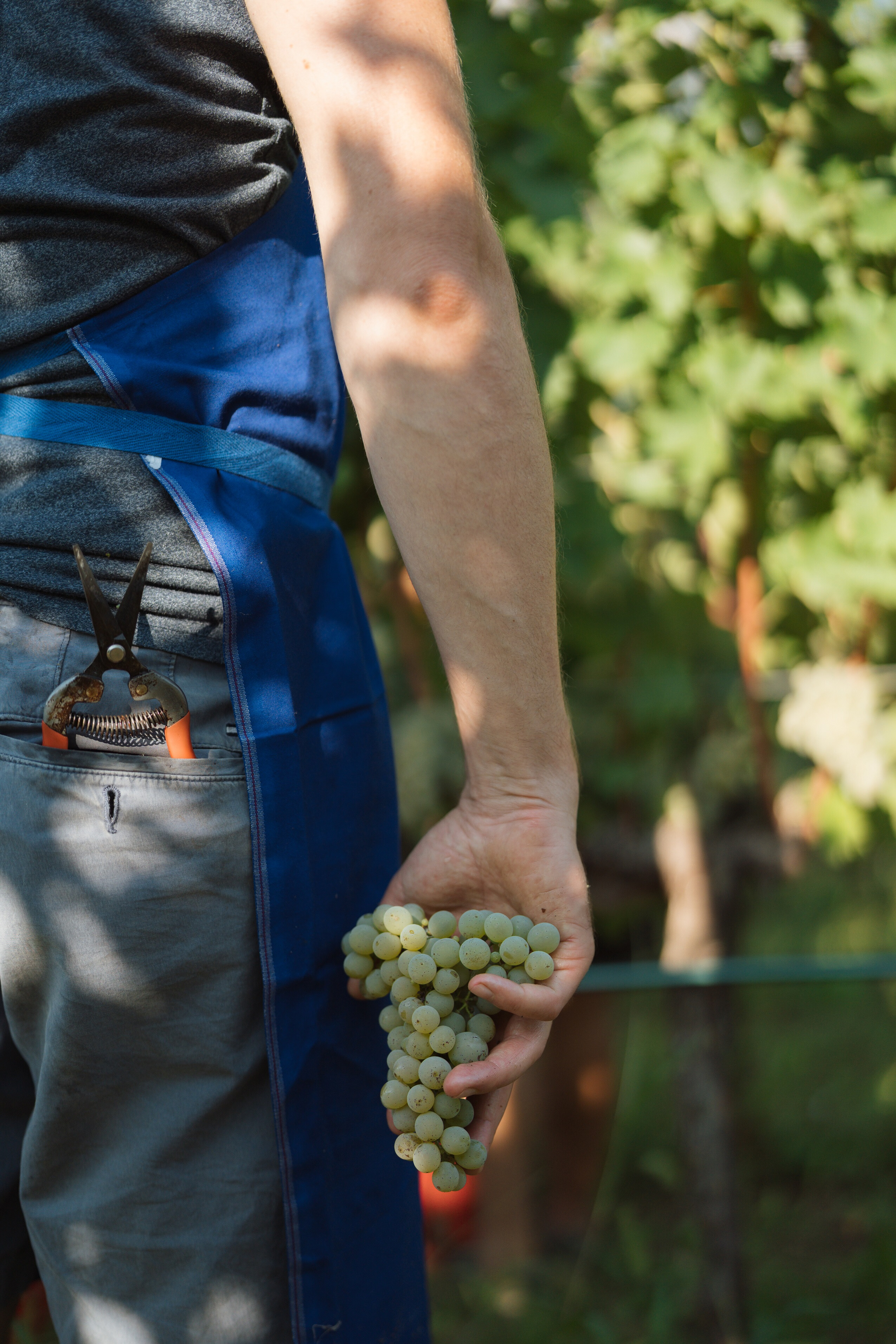
Fruity, fresh white wines and promising, full-bodied, great reds: Now that the harvest is complete, the experts’ initial verdict on the Alto Adige 2026 vintage is extremely positive. This is also, and above all, thanks to the winegrowers, who have successfully nurtured their grapes through an extremely hot and dry summer.
2026 was an exceptional year for Alto Adige winegrowers – with a very early start to the growing season, an equally early peak of flowering, and summer months that were exceptionally hot and dry. It was not until the end of August that there was enough rain to provide sufficient water for the final stage of ripening.
A wealth of expertise in the vineyard
When asked about the challenges posed by such an extreme growing season, Ivan Giovanett from Castelfeder replied: “The Alto Adige winegrowers and winemakers have already experienced a number of very early and hot vintages over the past two decades and have learnt a great deal. We now know how to protect the grapes from excessive sunlight by pruning the leaves sparingly, when to water them in a targeted manner and, above all, when the right time to harvest is in an extreme year, in order to avoid overripening.”
Stefan Kapfinger, cellar master at the Cantina Merano Winery, also highlighted the options available for responding to extreme weather conditions. “In the vineyard, for example, a denser canopy can be used to provide more shade,” Kapfinger explained. “This helps to reduce direct sunlight on the grapes, limit sugar accumulation to some extent and slow down the ripening process.”
Valle Isarco, on the other hand, faced a completely different kind of challenge: a severe hailstorm just a few days before the harvest. “While taken in the overall context this only affected a relatively small area, the affected growers suffered very significant crop losses,” Hannes Baumgartner from the Strasserhof Winery in Novacella said.
Early harvest, good quality
A warm spring and a hot summer meant that this year’s harvest in Alto Adige took place earlier than ever before. In Burgraviato, the grape harvest began as early as around 10 August; in Oltradige and the Bassa Atesina, it began in mid-August; in and around Bolzano in early September; and even in the otherwise cooler Valle Isarco, the harvest began on 1 September. “Whilst our harvest usually begins between 15 and 20 September, we had already completed by the 22nd this year,” Hannes Baumgartner stated.
Choosing the best harvest time requires a great deal of expertise – and more flexibility than in the past: “Previously, when deciding on harvest dates, we used to make a greater distinction based on region and altitude; nowadays, we are increasingly focusing on the individual vineyard and its specific conditions,” Stefan Kapfinger explained. “Cooler weather and greater temperature fluctuations between day and night can be utilised to wait for the optimum harvest time and achieve a balanced ratio of sugar, acidity and aromatic ripeness.”
Hard work, expertise and flexibility are also the reasons why winegrowers throughout Alto Adige are more than satisfied with the quality of the grapes. “Across the board, we had very healthy grapes at harvest time, and in terms of flavour, the grapes had coped very well with the hot temperatures,” Lukas Mumelter from the Griesbauerhof Winery in Rencio stated. Ivan Giovanett, too, declared it a “highly encouraging picture”: “The grapes, ranging from white to red and from low-lying to high-altitude vineyards, were in superb condition. I was particularly pleasantly surprised by the freshness and acidity profile.”
White wines: Fruity and surprisingly fresh
With healthy, perfectly ripe grapes, the foundations have been laid for a good vintage, even if it is still too early for more detailed predictions. There is a consensus across all Alto Adige wine-growing regions that the 2026 vintage holds great promise. “The first white wines in the cellar show great promise in terms of quality,” Hannes Baumgartner of the Strasserhof Winery in Novacella said.
Lukas Mumelter from the Griesbauerhof Winery is expecting full-bodied, well-rounded white wines with very pronounced fruit notes. “The acidity is better than expected and will integrate well into the full-bodied white wines,” Mumelter commented. Ivan Giovanett also reached the same conclusion: “The first white wines are characterised by moderate alcohol levels and a surprisingly fresh acidity profile. By pruning the leaves sparingly, we were able to preserve a great deal of freshness and coolness.” In Merano and the surrounding area, Stefan Kapfinger expects this year’s white wine vintage to be slightly fuller-bodied and more robust than in previous years. “It will benefit from good longevity,” Kapfinger said.
It is also interesting to take a look at the expectations for the individual varieties. It looks set to be a great vintage for Chardonnay – thanks to fully ripe grapes, an ideal sugar content and a surprisingly well-preserved acidity profile. A very classic vintage with full-bodied yet elegant wines is expected for Pinot Blanc, whilst the hot summer is more evident in the Sauvignon’s aromas, which tend towards tropical or exotic notes. Last but not least, the Gewürztraminer required patience, as some of the grapes had to remain on the vine for longer so that they could develop their full aromatic maturity. But: “The young wines are already showing good body and pronounced aromas,” Ivan Giovanett declared.
Great complex red wines
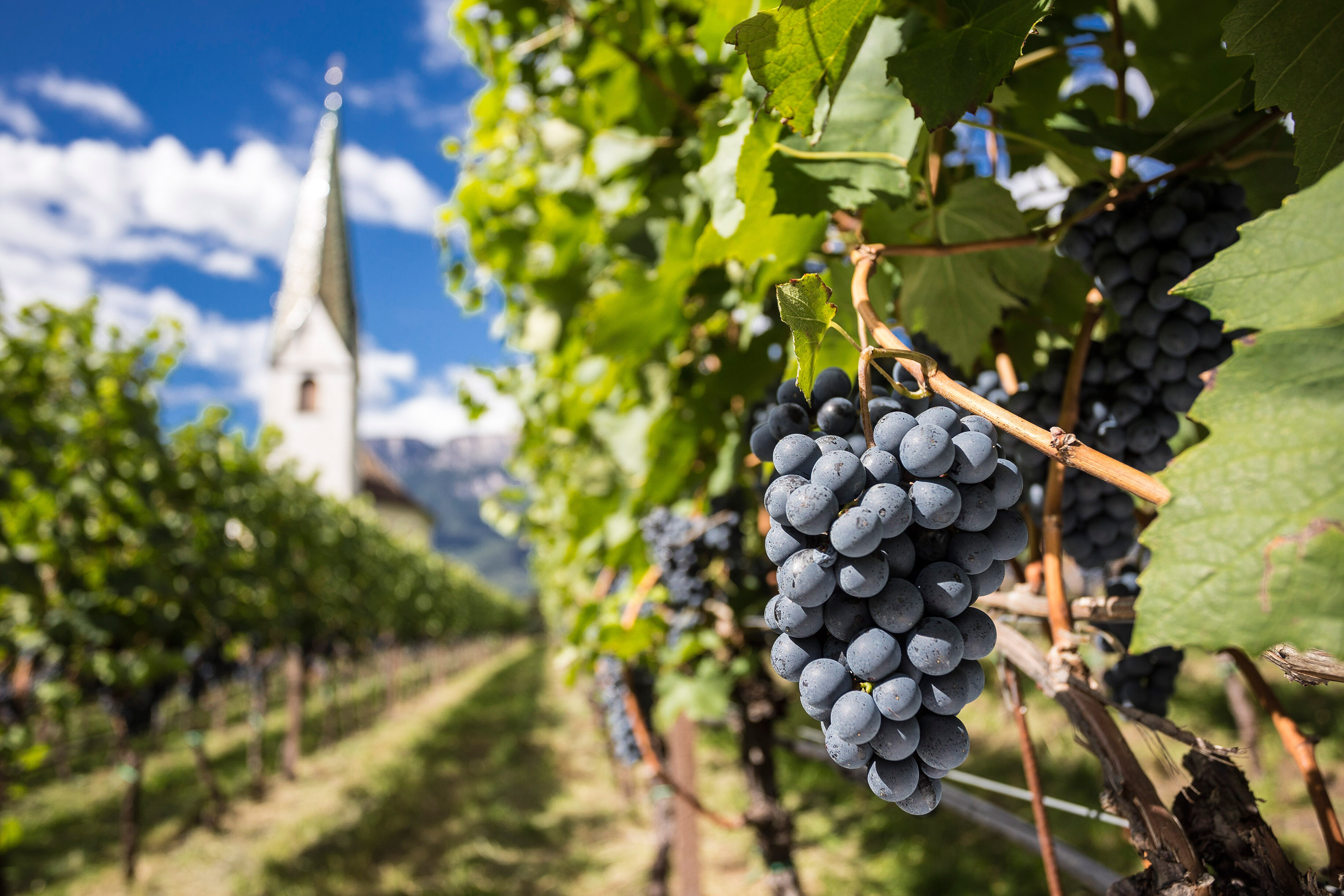
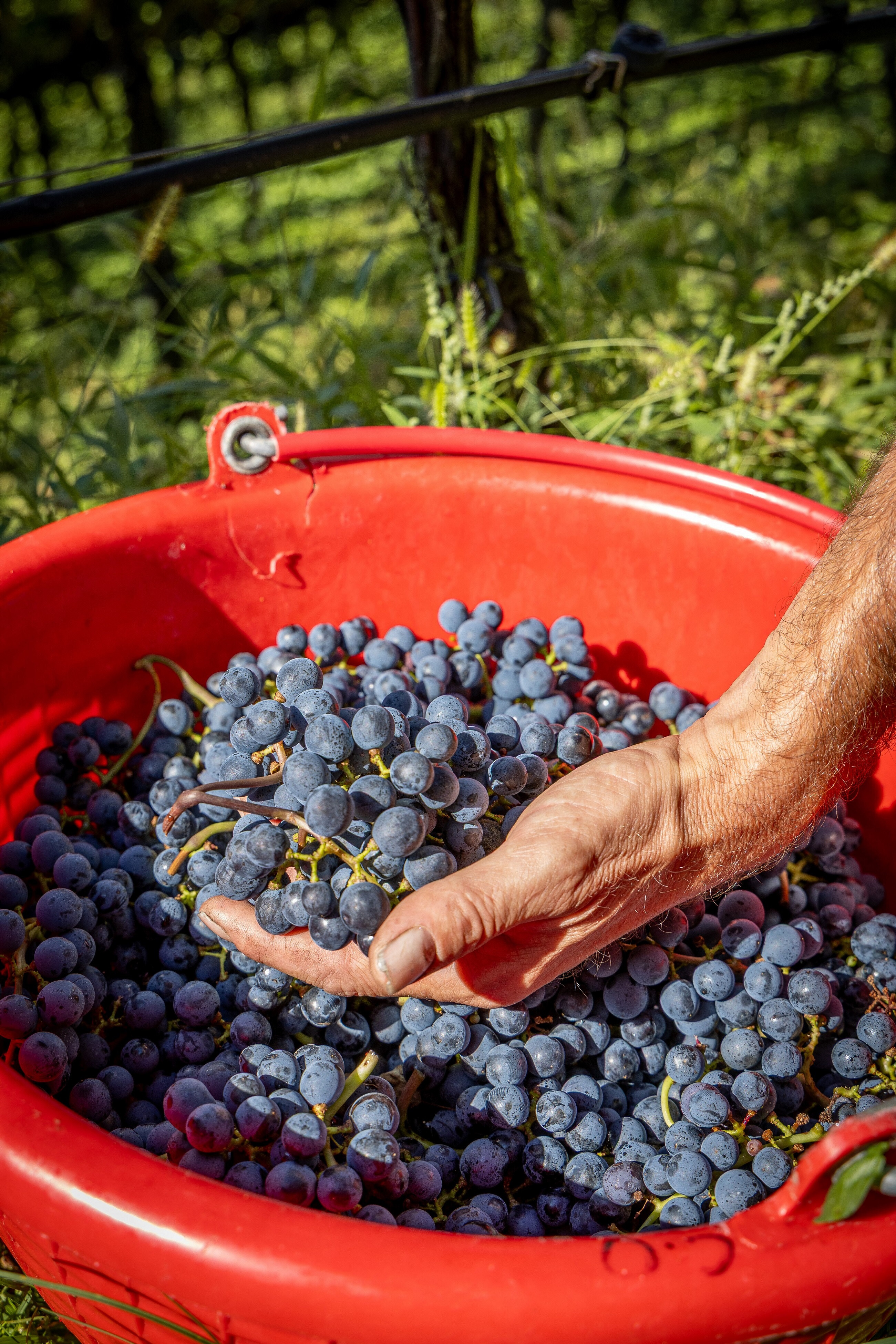
Much like the white wine, the first impressions of the 2026 red vintage are also positive; it is consistently described as a ‘very good vintage’. “As far as red wines are concerned, we have rarely had such favourable conditions for producing great, complex and long-lasting wines,” Stefan Kapfinger, cellar master at the Cantina Merano Winery explained. “The red wines are expected to be more intensely coloured, broader, fuller and more robust, and to have good ageing potential. "There are many indications that 2026 could be a great vintage for red wines."
Lukas Mumelter from the Griesbauerhof Winery in Rencio also expects “very full-bodied, robust wines with ripe, pleasant tannins”. "I think the wines will prove to be very approachable," Mumelter stated. Ivan Giovanett took a closer look at the 2026 Pinot Noir, which he described as having “deep colour, plenty of structure and power”. The Lagrein, too, was perfectly ripe and already looks very promising.
As a winegrower from Rencio, Lukas Mumelter places particular emphasis on the Santa Maddalena, which promises very well-rounded wines with a pleasant acidity. “In terms of aroma, it will tend towards ripe cherries and plums, whilst the colour will be a very lovely ruby red,” Mumelter said. He also ventured a prediction regarding the 2026 Lagrein: “We’re likely to end up with very dark, full-bodied wines, with lively acidity and fine, ripe tannins,” he explained. “I’m looking forward to well-rounded and approachable Lagrein wines with a lovely velvety mouthfeel.”
The later-ripening varieties, in particular, ultimately benefited from the cooler temperatures and the greater temperature variations between day and night towards the end of the ripening phase. In particular, Stefan Kapfinger mentioned Merlot and Cabernet. However, there is a consensus across all varieties that this growing season – and indeed the 2026 vintage – will be remembered for a long time to come.
Download:
Press release
For media enquiries:
Consorzio Alto Adige Wines


Wie können wir Ihnen helfen?